Emerging Technologies Shaping Our Future

Discover how Extended Reality, 3D Printing, RPA, and modern Programming Languages are revolutionizing industries and transforming our world.

Explore Technologies

Emerging Technologies

Cutting-Edge Technologies

Explore the transformative technologies that are reshaping industries and creating new possibilities

Extended Reality

XR encompasses Virtual Reality (VR), Augmented Reality (AR), and Mixed Reality (MR), creating immersive digital experiences that blend the physical and virtual worlds.

Learn More

3D Printing

Additive manufacturing technology that creates three-dimensional objects layer by layer from digital models, revolutionizing prototyping and production across industries.

Learn More

RPA

Robotic Process Automation uses software robots to automate repetitive, rule-based tasks, increasing efficiency and freeing human workers for higher-value activities.

Learn More

Programming

Modern programming languages and frameworks that enable the development of sophisticated applications, from AI systems to blockchain and IoT solutions.

Learn More
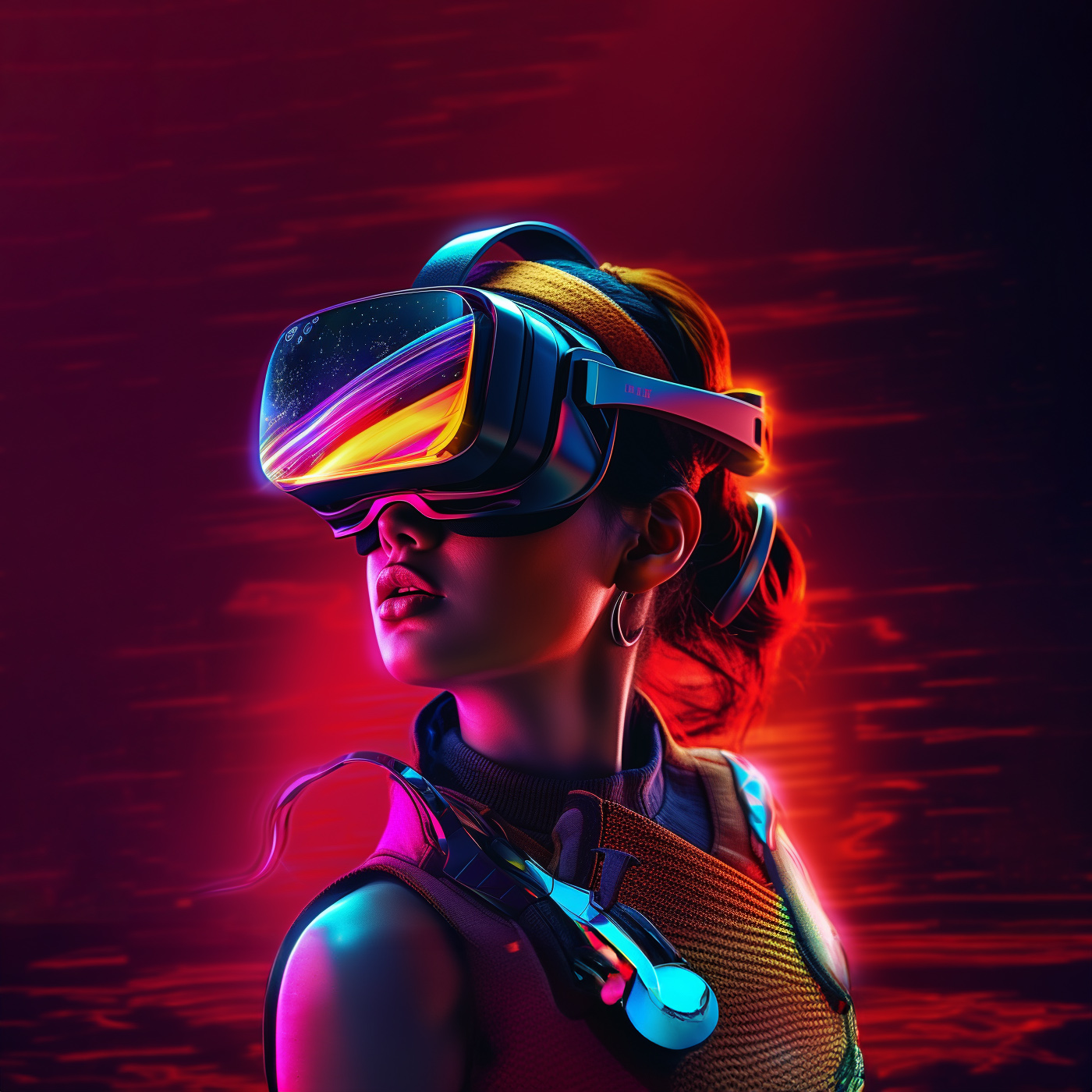
Extended Reality (XR)

Extended Reality

Blending Physical and Digital Realities

Extended Reality (XR) is an umbrella term encompassing Virtual Reality (VR), Augmented Reality (AR), and Mixed Reality (MR). These technologies are transforming how we interact with digital content and the world around us.

Key Components:

  • Virtual Reality (VR): Immersive digital environments that replace the real world
  • Augmented Reality (AR): Digital overlays on the physical world
  • Mixed Reality (MR): Blends physical and digital worlds where they coexist and interact

Applications:

  • Immersive training simulations
  • Virtual product prototyping
  • Enhanced retail experiences
  • Interactive educational content
  • Remote collaboration tools
  • Therapeutic healthcare applications

3D Printing & Additive Manufacturing

3D Printing

Revolutionizing Manufacturing

3D printing, also known as additive manufacturing, creates physical objects from digital designs by building them layer by layer. This technology has transformed prototyping and production across numerous industries.

Key Technologies:

  • Fused Deposition Modeling (FDM): Most common method using thermoplastic filaments
  • Stereolithography (SLA): Uses UV laser to cure liquid resin into hardened plastic
  • Selective Laser Sintering (SLS): Uses laser to fuse powdered materials
  • Digital Light Processing (DLP): Similar to SLA but uses digital light projector

Industry Applications:

  • Healthcare (prosthetics, implants)
  • Aerospace (lightweight components)
  • Automotive (prototyping, custom parts)
  • Construction (architectural models)
  • Consumer goods (customized products)
  • Education (teaching aids, models)

Robotic Process Automation (RPA)

Robotic Process Automation

Automating Business Processes

Robotic Process Automation (RPA) uses software robots to automate repetitive, rule-based digital tasks. These bots mimic human actions interacting with digital systems and software, significantly improving efficiency and accuracy.

Key Benefits:

  • Increased Efficiency: Bots work 24/7 without breaks, dramatically reducing process time
  • Improved Accuracy: Eliminates human error in repetitive tasks
  • Cost Reduction: Lowers operational costs by automating routine processes
  • Enhanced Compliance: Provides detailed audit trails and ensures process consistency

Implementation Areas:

  • Data entry and migration
  • Invoice processing
  • Customer onboarding
  • Report generation
  • HR processes
  • Inventory management

Modern Programming Languages

Programming Languages

Powering Digital Transformation

Modern programming languages and frameworks are the foundation of digital innovation. They enable developers to create sophisticated applications, from artificial intelligence systems to blockchain solutions and IoT platforms.

Key Languages:

  • Python: Versatile language popular in data science, AI, and web development
  • JavaScript: Essential for web development, both front-end and back-end (Node.js)
  • Rust: Systems programming language focused on safety and performance
  • Go: Developed by Google for efficient, scalable system programming
  • Kotlin: Modern language for Android development and beyond

Emerging Trends:

  • AI-assisted programming
  • Low-code/no-code platforms
  • WebAssembly (WASM)
  • Serverless architectures
  • Quantum computing languages
  • Domain-specific languages

Ready to Leverage These Emerging Technologies?

Contact us to discover how these cutting-edge technologies can transform your business and give you a competitive advantage.

Contact Us Learn More